Why is your family still missing out on learning together—this simple tool changes everything?
Imagine trying to help your child with math while also juggling your own goals—like learning a language or picking up guitar. You’re not alone. Many families feel stuck, their progress scattered across notebooks, apps, and forgotten resolutions. But what if one seamless system could track everyone’s growth—kid or adult—and turn daily moments into shared wins? This isn’t about perfection. It’s about progress that connects. And the best part? You don’t need extra time, money, or tech skills. Just a simple tool that brings your family’s learning to life—quietly, gently, and together.
The Everyday Struggle: When Learning Feels Like a Solo Mission
Let’s be honest—most of us didn’t sign up for this kind of chaos. You want your kids to succeed, of course. But you also want to grow too. Maybe it’s finally learning how to cook Thai food, getting better at writing, or just reading more books. And your teenager? They might be trying to master a new skill for a future job or hobby. Yet, somehow, it all feels disconnected. You’re tracking homework in a planner, your daughter’s spelling list is on the fridge, your son’s soccer practice schedule is in your phone, and your own dream of finishing an online course keeps getting pushed to “next week.” Sound familiar?
Here’s the thing: learning doesn’t have to be this messy. But when it’s scattered, it becomes stressful. Kids lose motivation when no one sees their small wins. Parents feel guilty when they can’t keep up. And personal goals—those quiet hopes we carry—end up buried under laundry and grocery lists. I’ve been there. I remember one night, my youngest was crying over a math worksheet, my oldest was texting about a failed quiz, and I was staring at a half-finished lesson on a language app, feeling like I was failing at everything. We were all trying, but no one felt supported.
That moment hit me hard. We weren’t just struggling with schoolwork—we were missing each other. Learning had become a solo mission, not a shared journey. And the saddest part? We all wanted to grow. We just didn’t have a way to do it together. The tools we used—planners, apps, sticky notes—weren’t built for families. They were built for individuals. So we kept spinning our wheels, hoping something would change. But hope isn’t a plan. And scattered effort doesn’t build confidence. What we needed was connection. A way to see each other’s progress, celebrate small steps, and feel like we were moving forward—side by side.
A Shift in Perspective: Learning as a Family Language
What if I told you that learning doesn’t have to feel like homework—for anyone? What if it could feel more like a shared rhythm in your home? Like the way you all know when it’s time for dinner, or how everyone pitches in when the dog needs walking? That’s the shift I’m talking about. Not more pressure. Not another chore. But a quiet, steady way of saying, “We grow here.”
Think about it. You already do this in small ways. When you cook together, you’re teaching measurements, patience, and maybe even a bit of science. When you plan a family trip, you’re talking geography, budgeting, and problem-solving. Even watching a documentary together can spark curiosity. These aren’t “lessons.” They’re moments. But they matter. And when you start to notice them, you realize: learning is already part of your life. It’s just not always visible.
So what if you made it visible—together? Not in a rigid, report-card kind of way. But in a warm, “Hey, I saw that!” kind of way. That’s when something beautiful happens. Your son notices that you’re learning Spanish too, and suddenly he wants to practice with you. Your daughter sees that her progress in reading is being noticed—not just graded—and she starts picking up books just for fun. You feel more motivated because someone else sees your effort, not just the result. This isn’t about pushing harder. It’s about creating a culture where growth is celebrated, not stressed over.
And here’s the secret: when learning becomes a family language, it stops being about performance. It becomes about presence. It’s not, “Did you finish your worksheet?” It’s, “I saw you trying that hard problem. I’m proud of you.” It’s not, “Why haven’t you started your course?” It’s, “Want to watch that lesson together after dinner?” That shift—from pressure to encouragement—changes everything.
Enter the Tracker: How One Tool Brings Everyone onto the Same Page
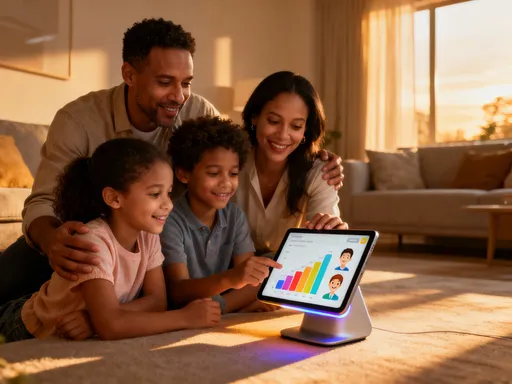
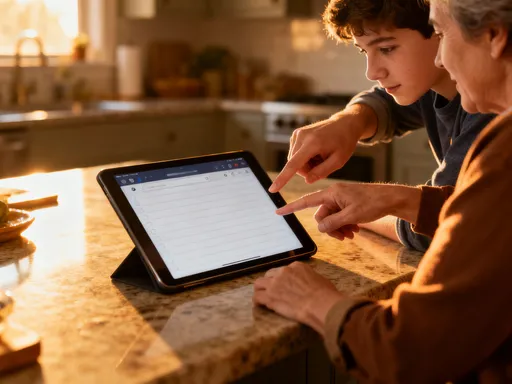
Now, I know what you might be thinking. “Another app? Another screen? My family already spends too much time on devices.” I get it. That’s why the tool I’m talking about isn’t about adding more screen time. It’s about making the right kind of screen time meaningful. It’s a simple, shared digital dashboard—something you can access on a tablet, phone, or even a smart display in the kitchen—that lets everyone track their learning goals in one place.
And no, you don’t need to be a tech expert. This isn’t about coding or complicated settings. It’s about ease. Imagine walking into the kitchen and seeing a gentle update on the screen: “Emma—5 days of reading streak!” or “Dad—10 minutes of guitar practice today. Great job!” No pressure. No judgment. Just a quiet nudge that says, “We see you.”
Here’s how it works in real life. Each family member picks one or two learning goals—something they genuinely want to work on. Maybe it’s reading 10 pages a night, practicing piano, learning to code, or even just doing 10 minutes of a language lesson. You enter those goals into the system—once, maybe during a calm weekend morning. Then, each day, you log progress. Not perfectly. Not every day. But consistently. The tool sends gentle reminders, shows progress bars, and even lets you add little notes like “I tried even when it was hard” or “I helped my sister with her math.”
What makes this different from other apps is that it’s not competitive. It’s collaborative. You’re not ranked. You’re not compared. You’re just seen. And that changes how kids—and adults—feel about trying. One mom told me, “My son used to shut down if he got a problem wrong. Now, he logs it anyway and writes, ‘I’ll try again tomorrow.’ That’s resilience. And it started because he knew someone would see his effort.”
Making It Work: Setting Up Your Family’s System (Without the Stress)
Okay, let’s get practical. How do you actually start this without making it feel like another chore? First, keep it simple. Don’t try to track everything. Pick one learning goal per person—just one. It could be academic, creative, or personal. The key is that it matters to them, not to you. This isn’t about control. It’s about care.
Next, choose your tool. There are a few family-friendly apps that let you create shared dashboards with progress tracking, gentle reminders, and even fun badges for streaks. Look for one that’s easy to use, visually clear, and doesn’t require a lot of setup. Many of them are free or have a low-cost family plan. Or, if you prefer something low-tech, you can use a shared document or even a whiteboard in the kitchen. The point isn’t the tool—it’s the habit of noticing and sharing.
Then, set up a rhythm. Try a weekly “growth chat” during dinner. No pressure. Just a few minutes to share: What did you try this week? What felt hard? What are you proud of? Let everyone speak. Listen. Celebrate effort, not just results. One family I know ends their chat by giving each other a “shout-out” for something they noticed. “I saw you practicing your spelling words during breakfast. That was cool.” These small moments build big connection.
And please—don’t fall into the trap of comparing progress. Your daughter might read 20 pages a night. Your son might only manage 5. That’s okay. The tracker isn’t about who’s “ahead.” It’s about who’s trying. Focus on consistency, not perfection. If someone misses a day? No big deal. Just start again. The goal isn’t a perfect streak. It’s a lasting habit.
Real Moments, Real Change: How Families Begin to Grow Differently
I’ll never forget the first time I saw this in action. A mom named Lisa told me how her family used the tracker to learn basic Spanish before a trip to Costa Rica. Her 10-year-old daughter picked it up fast. Her 14-year-old son? Not so much. He resisted at first. But then, one day, he logged five minutes of practice—and the system gave him a little badge for “First Step.” His little sister saw it and said, “Nice job, bro!” He rolled his eyes—but I could tell he was proud.
By the time they got to Costa Rica, he was ordering his own food. Not perfectly. But confidently. And when he stumbled, his sister helped him. That moment—ordering food, laughing, helping each other—wasn’t about grammar. It was about connection. And it started with a simple log-in on a shared dashboard.
Another family used the tracker to support the mom’s goal of finishing an online certification in graphic design. She was nervous—afraid she wasn’t “smart enough.” But every time she logged a lesson, her kids saw it. “Mom’s learning again!” they’d say. When she finally finished, they made her a certificate with crayons and taped it to the fridge. She cried. Not because she got the certificate. But because her kids saw her trying. And that made all the difference.
These aren’t dramatic transformations. They’re quiet, real moments of growth. But they add up. Kids start to see that effort matters. Parents feel more capable. And the whole family begins to believe: we can grow together.
Beyond Academics: Tracking Emotional Growth and Life Skills
Here’s where it gets even more powerful. What if you could track more than just subjects? What if you could notice the small moments of kindness, patience, or courage? That’s exactly what some families are doing. They’ve added “soft skill” goals to their tracker—things like “spoke calmly when upset,” “listened without interrupting,” or “helped without being asked.”
At first, I’ll admit, I was skeptical. Can you really track emotional growth? But then I saw how it worked. A 9-year-old earned a quiet badge for “staying calm” after a frustrating game. His mom said, “He didn’t win, but he didn’t cry. And he told me later, ‘I wanted the badge for calmness.’” That’s not manipulation. That’s motivation. He wanted to grow—and the tracker helped him see it.
Another family started logging “mindful moments.” Not long meditations. Just 30 seconds of deep breathing, or one minute of quiet listening. The dad said, “I used to think this was silly. But now, when I’m stressed, my daughter says, ‘Dad, did you do your mindful minute?’ And somehow, that helps me remember.”
These aren’t big changes. But they’re meaningful. And when you make them visible, they become part of your family’s rhythm. You’re not just raising kids who do well in school. You’re raising people who know how to handle frustration, show kindness, and keep trying. And that? That’s the real win.
The Bigger Picture: Building a Legacy of Lifelong Learning
When you step back, this isn’t really about a tool. It’s about what the tool represents. It’s about creating a home where growth is normal. Where effort is seen. Where everyone—no matter their age—feels like they can try, stumble, and keep going. That’s the legacy you’re building.
Think about it. The kids who grow up in homes like this? They don’t see learning as something that ends with school. They see it as part of life. They’re more likely to take risks, ask questions, and believe in their ability to improve. And as a parent, you’re not just raising them. You’re growing with them. That’s powerful.
I’ll leave you with this: the best part of the tracker isn’t the data. It’s the conversations. It’s the “I saw you trying” moments. It’s the quiet pride in a child’s voice when they say, “I did it.” And it’s the way a simple system can gently remind us all: we’re in this together.
You don’t need a perfect plan. You don’t need to do it all at once. Just start small. Pick one goal. Try the tracker for a week. See what happens. Because the truth is, your family is already learning. This just helps you see it—and celebrate it—together. And that? That changes everything.