I kept saying 'I can't hear as well anymore'—this little tool changed everything
Have you ever noticed a parent or grandparent leaning in closer during conversations, asking you to repeat yourself, or turning the TV volume up louder than usual? Hearing loss often sneaks in quietly, dismissed as just "getting older." But it doesn’t have to mean isolation or frustration. I felt helpless watching my mom withdraw from family talks—until we discovered a simple, everyday tech that made a real difference. It wasn’t magic—just smart, accessible tools designed for real lives. Let me share how this journey began.
The Moment It Clicked: When We Realized It Was More Than Just "Aging"
It started small, like most things that change us. Mom would pause during our weekly dinner, her fork halfway to her mouth, eyes narrowing slightly as if trying to catch a whisper. "What did you say, dear?" she’d ask, her voice light, like it was no big deal. At first, we laughed it off. "Mom’s in her own world again," my sister would joke. But then it happened more often—missing the punchline of a story, misunderstanding the name of a dish she loved, or not reacting when the doorbell rang.
I remember one Sunday, we were all gathered around the TV, watching her favorite comedy show. Everyone burst out laughing, but she just smiled, waiting for the cue. When I leaned over and quietly repeated the joke, her face fell. "Oh," she said softly. "I didn’t hear that part." That moment stayed with me. It wasn’t just about missing a joke—it was about missing connection. She wasn’t distracted. She wasn’t forgetful. She was struggling to hear, and we had all been too busy to notice.
When I gently brought it up, she waved me off. "I’m fine," she said. "My ears are just tired. It happens when you get older." And maybe it does. But I couldn’t shake the feeling that this wasn’t just aging—it was something we could do something about. The resistance wasn’t stubbornness; it was fear. Fear of being seen as less capable, fear of needing help, fear of change. I realized then that this wasn’t just about hearing. It was about dignity, independence, and staying part of the life she’d built.
What surprised me most was how common this is. So many women I’ve spoken to—friends, neighbors, even my hairdresser—have shared the same story. A parent, a spouse, even themselves, slowly pulling back from conversations, turning down invitations, pretending they heard when they didn’t. We accept it as normal, but it doesn’t have to be. The first step wasn’t a doctor’s visit or a prescription. It was simply paying attention—and caring enough to act.
Why Hearing Health Matters More Than We Think
We tend to think of hearing as just one of the senses, like taste or touch. But it’s so much more than that. Hearing is how we stay connected—to our families, our communities, our world. When it fades, the effects ripple out in ways we don’t always see at first. Studies have shown that untreated hearing loss is linked to increased feelings of loneliness, a higher risk of cognitive decline, and even a greater chance of falls due to reduced spatial awareness. But beyond the research, it’s the everyday moments that matter most.
Imagine not catching your grandchild’s first "I love you" because the words were too soft. Imagine mishearing your doctor’s instructions about a new medication. Imagine sitting at a holiday table, surrounded by laughter, but feeling like you’re watching it through glass. That’s the quiet toll of hearing loss—not just missing sound, but missing life.
What many of us don’t realize is that the brain needs sound to stay sharp. When it stops receiving clear signals, it starts to rewire itself, and over time, it can lose the ability to process speech—even if hearing is later restored. It’s like a muscle that hasn’t been used. The longer you wait, the harder it is to bounce back. But the good news? The brain is resilient. With the right support, it can relearn, reconnect, and thrive.
And it’s not just about the person with hearing loss. It affects all of us. Family members start speaking louder, repeating themselves, or even stopping conversations altogether to avoid the strain. Kids learn not to bother telling Grandma about their day. Partners feel unheard, not because of emotion, but because of decibels. The emotional cost is real. But so is the solution. By paying attention to hearing health, we’re not just protecting ears—we’re protecting relationships, confidence, and joy.
The Old Way vs. The New Way: How Tech Changed the Game
When I thought about hearing aids, I pictured bulky devices from decades ago—awkward, expensive, and something you only got after multiple specialist visits and a big financial commitment. That was the old way. And honestly, that image alone was enough to make both me and my mom hesitate. But technology has changed everything. Today, hearing care isn’t just for those with severe loss or deep pockets. It’s accessible, discreet, and designed for real life.
Now, you can do a basic hearing check from your living room using just your smartphone. There are apps—developed with input from audiologists—that guide you through simple tone tests, much like the ones you’d do in a clinic. They don’t replace a full diagnosis, but they can flag when something’s off. And that early warning? It’s priceless.
There are also at-home screening devices—small, easy-to-use tools that measure how well you hear different frequencies. Some connect to your phone, others work independently. They’re not medical devices, but they’re accurate enough to help you decide whether it’s time to see a professional. The beauty is in the simplicity. No driving across town, no waiting rooms, no pressure. Just a quiet moment to check in with yourself.
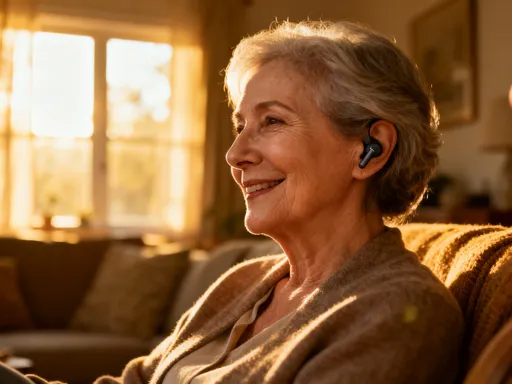
And the devices themselves have transformed. Modern hearing assistive tools are sleek, often rechargeable, and some even double as wireless earbuds. They can filter background noise, focus on voices in front of you, and even connect to your TV or phone. You don’t have to choose between hearing better and looking like yourself. This isn’t about fixing a flaw—it’s about enhancing life.
Starting Small: Our First Try with a Hearing Test App
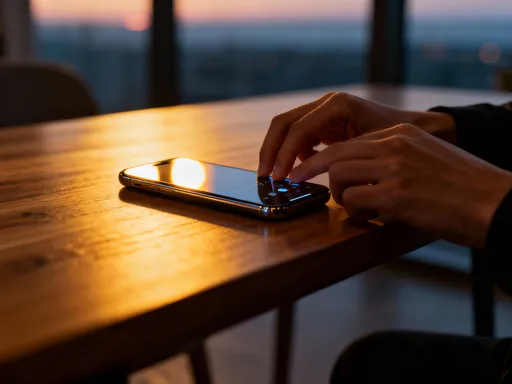
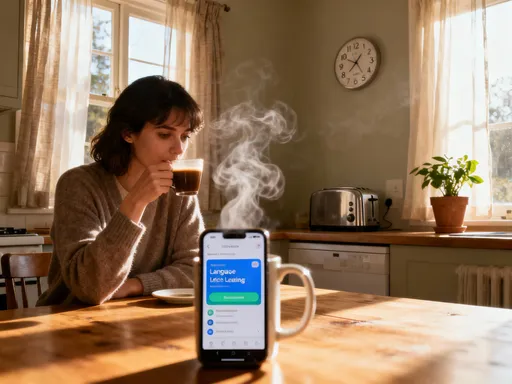
I didn’t want to make a big deal out of it. So one evening, while Mom was knitting and I was scrolling through my phone, I casually said, "Hey, I found this little app that tests your hearing. Want to try it together?" I made it sound like a game, something fun, not a test. She hesitated, then smiled. "Alright, but only if you go first."
The app was simple. We put on our headphones, sat in a quiet room, and followed the prompts. A tone would play in one ear, and we had to tap when we heard it. It took less than ten minutes. When it was Mom’s turn, I watched her closely. She leaned in a little, concentrating, but she didn’t seem stressed. When it ended, the app gave a color-coded result—green for normal, yellow for mild concern, red for significant loss.
Her result was yellow in the higher frequencies—the ones that carry consonant sounds like "s," "f," and "th." That’s why she was missing parts of words, especially in noisy rooms. But here’s what surprised me: she didn’t shut down. She didn’t get upset. She said, "Huh. So that’s why I’ve been asking you to repeat things." There was relief in her voice, like a puzzle piece had finally clicked.
That small moment changed everything. It wasn’t a diagnosis. It wasn’t a prescription. But it was a starting point—one we could both accept. The app didn’t judge. It didn’t rush us. It just showed us a path forward. And the best part? It cost nothing. No co-pays, no appointments, no pressure. Just a quiet, private way to understand what was really going on.
From Test to Action: What We Did Next
The app didn’t tell us what to do—but it gave us the courage to take the next step. We made an appointment with an audiologist, not because we were scared, but because we were informed. And that made all the difference. Instead of walking in blind, we had data, questions, and a sense of purpose.
The audiologist was kind and thorough. She confirmed what the app had suggested: mild to moderate hearing loss in the higher frequencies. But she also emphasized that it was very common, very treatable, and absolutely nothing to be ashamed of. She explained that early intervention could slow further decline and improve quality of life—something we both needed to hear.
She didn’t push expensive devices. Instead, she suggested starting with a personal sound amplifier—a small, affordable device that makes sounds clearer without the complexity of a full hearing aid. It was like a stepping stone, something low-risk to try before committing to more. We also looked into smartphone apps that act as hearing assistants, using the phone’s microphone to amplify voices in real time.
One of the most helpful tools was a directional microphone app. When we were at a noisy restaurant, Mom could place her phone on the table, point it toward the speaker, and listen through her earbuds. The background noise faded, and the voice became clear. It wasn’t perfect, but it worked. And that’s the thing about today’s tech—it’s not about perfection. It’s about progress. Small tools, used consistently, can create big changes.
How Family Life Changed for the Better
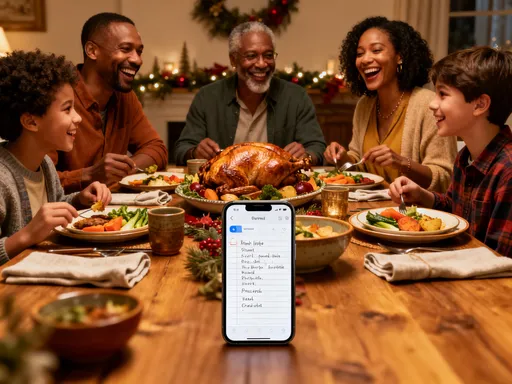
The first time it really hit me was during a family dinner. We were all talking over each other, as we always do, and I braced for Mom to tune out. But instead, she jumped in—"Wait, did someone say something about the beach house?" And then she laughed at a joke she actually heard. Not smiled. Laughed. Full, warm, joyful laughter. I don’t think I’ve ever felt so relieved.
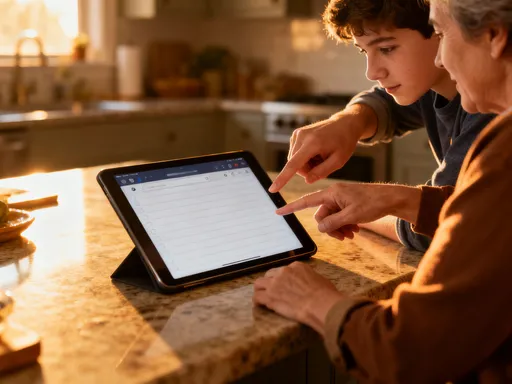
Video calls with the grandkids changed, too. Before, she’d hold the phone close, squinting, saying "What?" every few seconds. Now, she uses a simple app that boosts voices and reduces echo. She sees their faces, hears their voices, and responds in real time. Last week, my niece whispered a secret into the camera, and Mom heard it—and kept it. That moment meant more than any test result.
Dad noticed it, too. "She’s more present," he said one evening. And he was right. She wasn’t just hearing better—she was participating. She asked questions, shared stories, even teased my brother about his cooking. The silence that had settled over our family gatherings had lifted, replaced by the messy, beautiful noise of connection.
And honestly? It helped me, too. I stopped feeling like I had to speak louder, repeat myself, or protect her from conversations. I could just be her daughter again. The guilt I didn’t even know I was carrying—about not doing enough, about not noticing sooner—began to fade. We were all breathing easier.
A New Habit: Making Hearing Health Part of Everyday Care
Now, checking in on hearing health is just part of our routine—like changing the batteries in the smoke detectors or scheduling a dental cleaning. Every few months, Mom does a quick app-based test. It’s not because she’s worried, but because she cares. It’s empowering, not scary.
I’ve started encouraging other women in my circle to do the same. Not with a lecture, but with a simple question: "Have you noticed anyone in your family having trouble hearing?" So many say yes. And when I tell them about the app, about how easy it was to start, their faces light up with hope, not fear.
If you’re reading this and thinking of someone you love—or even yourself—here’s what I’ll say: start small. Download a hearing test app. Try it together. Make it a moment of curiosity, not concern. You don’t need a diagnosis to care. You just need to care enough to listen.
Because staying close starts with being able to hear one another. And with today’s tools, that’s easier than ever. This isn’t about fixing what’s broken. It’s about protecting what matters—connection, laughter, love, and the simple joy of being part of the conversation. And really, isn’t that what we all want?