We’re not keeping secrets, just notes: How a simple app brought our family closer—without risking privacy
You know that moment when your mom texts again asking for the recipe you promised? Or when your sibling forgets the doctor’s instructions you all discussed? We’ve all been there—frustrated, repeating ourselves, feeling disconnected even when trying to share. I felt the same—until we started using a note-taking app designed for families. It didn’t just organize our chaos; it protected our trust. No more forwarded messages, no more exposed details. Just quiet, secure sharing that actually worked. And honestly? It changed how we show up for each other.
The Family Communication Breakdown We All Know
Let’s be real—family life is beautiful, but it’s also messy. Between doctor appointments, school events, grocery runs, and birthday plans, there’s a lot to keep track of. And most of us are still using the same tools we did ten years ago: group texts, voice messages, maybe a shared calendar buried in someone’s phone. But those tools weren’t built for the emotional and practical complexity of family. They’re great for quick updates, but when it comes to remembering the little things that matter, they fall short—again and again.
Think about it. How many times has someone missed an update because it got lost in a sea of emojis and jokes? I remember the time my aunt was supposed to pick up my nephew from soccer, but she never saw the change in schedule because the message was buried under a chain of cat videos. No one meant to drop the ball—she just didn’t see it. Or the time my sister needed the dosage instructions for her son’s allergy medicine, and we spent twenty minutes scrolling back through three different threads, trying to find the doctor’s note. It wasn’t laziness. It wasn’t lack of care. It was the system failing us.
And then there’s the emotional toll. Every time we have to repeat ourselves, it chips away at our patience. Every time someone forgets something important, it feels like they’re not listening—even when they are. We start to feel like we’re carrying the mental load alone. I know I did. I was the one always sending reminders, always double-checking, always the ‘keeper of information.’ It wasn’t fair, and it wasn’t sustainable. What I didn’t realize then was that the problem wasn’t me—or my family. It was the way we were trying to share.
Why Regular Messaging Apps Fall Short
Here’s the truth: most of the apps we use every day weren’t made for family coordination. Texts, social media, even group chats—they’re built for speed, not accuracy. They’re designed to keep us engaged, not organized. And that’s a big problem when we’re trying to manage things like medical records, school permissions, or travel plans. These aren’t casual conversations. They’re important. And yet, we’re treating them like they are.
Take group chats, for example. They start with good intentions. We create a ‘Family’ group to share updates. But soon, it’s flooded with memes, birthday wishes, and random check-ins. The important stuff—the doctor’s appointment time, the permission slip deadline—gets pushed down, forgotten, or worse, accidentally deleted. I once had a cousin accidentally exit the group, and no one noticed for weeks. By the time we realized, she’d missed two major family events. That’s not just inconvenient—it’s painful.
And then there’s privacy. How many of us have forwarded a message with sensitive info—like a Social Security number for a school form—only to realize too late that it went to the wrong person? Or shared a photo of a prescription and later wondered, ‘Who else saw that?’ Most messaging apps don’t give us real control over who sees what. Once you send something, it’s out there. And while we trust our family, we don’t always want everyone to see everything. Your teenage daughter doesn’t need to know the details of your mom’s medical test, and your brother doesn’t need to see your personal journal. But with most apps, there’s no easy way to separate what’s shared from what’s private.
The real issue isn’t that we’re bad at communicating. It’s that our tools make it hard to communicate well. They don’t respect the layers of trust, responsibility, and privacy that families naturally have. We need something better—something that works with how families actually live, not against it.
Discovering the Right Tool: A Note-Taking App That Feels Like Home
I found that ‘something better’ almost by accident. I was looking for a way to organize my own life—meal plans, work tasks, personal goals—and I stumbled upon a note-taking app that promised simplicity and security. At first, I used it just for myself. But then I realized: what if we used this as a family?
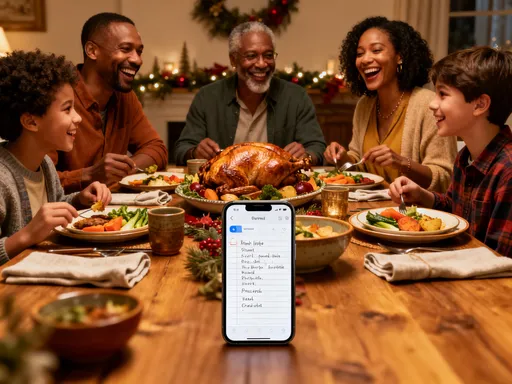
I created a shared space—kind of like a digital family binder. I set up folders for different parts of our lives: ‘Health,’ ‘School,’ ‘Home,’ ‘Events,’ and ‘Recipes.’ Each one had its own notes, checklists, and attachments. I invited my sister, my mom, and my brother to join. And instead of dumping everything into one chaotic thread, we started putting things where they belonged. The doctor’s note went into ‘Health.’ The birthday party guest list went into ‘Events.’ The grocery list lived in ‘Home’ and updated in real time.
What surprised me most was how natural it felt. It wasn’t another chore. It wasn’t another app to check. It became part of our rhythm. My mom started adding her famous apple pie recipe to the ‘Recipes’ folder. My nephew began checking the ‘School’ section to see if there were any upcoming projects. Even my usually tech-wary dad started using it to keep track of his doctor appointments. No training. No frustration. Just… ease.
And because the app let me control who saw what, I could invite people without worry. I shared the ‘Elder Care’ folder with just my sister and me—no need to involve the whole family in every detail. I gave my brother view-only access to the grocery list so he could see what we needed but couldn’t accidentally delete anything. It wasn’t about secrecy. It was about respect—respect for each person’s role, their needs, and their boundaries.
Security That Doesn’t Sacrifice Simplicity
I know what you’re thinking: ‘Great, but is it safe?’ That was my first question too. I didn’t want to trade convenience for risk. But what I learned changed my mind. This app uses something called end-to-end encryption. That sounds technical, but it just means only the people you invite can see what you share. Not the company. Not hackers. Not even if the device is lost. The information is locked, and only the right people have the key.
And the best part? I didn’t have to do anything special to make it work. No passwords to remember, no complicated settings. When I shared a note with my sister, it just… worked. She could read it, edit it if needed, but no one else could access it unless I invited them. If I wanted to share a doctor’s note but keep my personal journal private, I could. Two separate spaces. Same app. Total control.
It reminded me of how we used to keep important papers in a filing cabinet at home. Some drawers were for everyone. Others were locked. We all knew the rules. This app feels like that—but digital, searchable, and always available. I can pull up my mom’s medication schedule from the pharmacy counter. My sister can check the school field trip form from her office. No more frantic calls. No more ‘Did you print that?’ moments.
And because the app syncs across devices, it doesn’t matter if you’re on a phone, tablet, or computer. Everyone sees the same thing, at the same time. No more ‘I thought you updated it!’ or ‘I saw it yesterday and it said something else.’ It’s one version of the truth—quiet, reliable, and always there when you need it.
Real Family Wins: From School Projects to Elder Care
Since we started using this system, the little wins have added up. My nephew had a big science project last month—building a volcano, of course. In the past, that would have meant constant texts: ‘Did you buy baking soda?’ ‘What time is the presentation?’ ‘Who’s bringing the poster board?’ This time, we created a shared checklist in the app. Everyone added what they were handling. My sister bought the supplies. I helped with the research. My mom even offered to bake the ‘lava’ cookies for the class. We checked things off as we went, and the night before the presentation, we all opened the note together to make sure nothing was missing. It wasn’t perfect—but it was peaceful. No stress. No last-minute panic.
Then there was my dad’s heart check-up. He’s 78, and keeping track of his medications is a family effort. Before, someone would call with a question, and we’d all try to remember what the doctor said. Someone would take notes on their phone, but then forget to share them. It was messy. Now, the doctor’s instructions go straight into a private note in the ‘Health’ folder. Only my sister and I have access. We update the medication schedule together, and she shares printed copies with Dad for his wallet. When something changes, we update it once, and it’s updated for both of us. No more confusion. No more double-dosing scares. Just clarity.
And the emotional difference? Huge. We’re not frustrated anymore. We’re not blaming each other for missed details. We’re just… helping. The app didn’t create responsibility—it made it visible. And when responsibility is shared, the load feels lighter. I’ve even noticed that we talk more—not because we have to, but because we want to. We comment on each other’s notes. We leave little encouraging messages. It’s become a space where we care, not just coordinate.
Teaching Privacy Without Saying the Word
One of the most unexpected benefits has been how it’s helped my teenage niece understand digital boundaries. She’s smart, but like most teens, she’s used to sharing everything online. I didn’t want to lecture her about privacy. I wanted her to feel it.
So I invited her into the family space—but only certain parts. She can see the grocery list, the event calendar, and the recipe folder. But she can’t see the health notes or the financial reminders. I didn’t make a big deal out of it. I just said, ‘This is what we all need. This is just for adults.’ And something shifted.
She started asking, ‘Can I share this with my friend?’ and then pausing. She began creating her own private notes for school projects and personal goals. She even set up a shared list with her best friend for a group presentation—using the same app. When I asked her why, she said, ‘It’s just easier to keep things in the right place.’ That’s when I realized: she wasn’t just learning about organization. She was learning about respect—respect for information, for trust, for boundaries.
We don’t always need rules to teach values. Sometimes, we just need to model them. And when kids see adults using technology with care, they start to do the same. It’s not about fear. It’s about showing that privacy isn’t about hiding—it’s about honoring.
A Calmer, Closer Family—One Note at a Time
Looking back, I realize we weren’t just looking for a better way to share information. We were looking for a better way to be together. The app didn’t replace our conversations. It made room for them. Without the constant stress of miscommunication, we started to listen more. We started to trust more. We stopped repeating ourselves and started really hearing each other.
There’s a quiet beauty in that. In knowing that when I add a note, it’s not just stored—it’s seen. When my sister updates the grocery list, she’s not just checking a box—she’s saying, ‘I’ve got this.’ When my mom shares a recipe, she’s not just passing on ingredients—she’s passing on love.
Technology doesn’t have to be cold or complicated. When it’s designed with care, it can actually bring us closer. It can hold the details so we can focus on the people. It can protect our trust so we can share freely. And sometimes, it can even help us remember what family is really about—not perfection, but presence.
So if you’re tired of the chaos, if you’re tired of repeating yourself, if you’re tired of feeling like the only one who cares about the details—try something different. Find a tool that respects your family’s rhythm, your privacy, and your love. Because we’re not keeping secrets. We’re just keeping notes. And in those notes, we’re building something that lasts.